Author: kelly ann ward

  • Why Women Need More Sleep Than Men (And Why It’s Not Laziness)

    Why Women Need More Sleep Than Men (And Why It’s Not Laziness)

    If you’ve ever felt like you need more sleep than the men in your life, you’re not imagining it. And no, it doesn’t mean you’re unmotivated, undisciplined, or “bad at mornings.” There are real biological and mental reasons why women often require more rest.

    Here’s what’s actually going on.

    Women’s Brains Work Differently:

    Studies show that women tend to use more areas of the brain throughout the day, especially when it comes to multitasking, emotional processing, and decision-making. This increased brain activity requires more recovery time, and sleep is where that recovery happens.

    In simple terms: more mental load = more rest needed.

    Hormones Play a Major Role:

    Women’s sleep needs fluctuate throughout the month due to hormonal changes across the menstrual cycle. Estrogen and progesterone affect sleep quality, body temperature, and circadian rhythm. This means that during certain phases, falling asleep or staying asleep can be harder, even if you’re exhausted.

    This is also why sleep needs can change during PMS, pregnancy, and perimenopause.

    Emotional Labour Is Exhausting:

    Beyond biology, women often carry more emotional labour, remembering birthdays, managing relationships, planning schedules, checking in on others, and holding mental space for people. This constant background processing drains energy in a way that isn’t always visible but absolutely impacts sleep needs.

    Rest isn’t just physical. It’s neurological.

    Women Are More Prone to Sleep Disruptions:

    Research shows women experience insomnia and sleep disturbances more often than men. Anxiety, stress, and hormonal shifts all contribute. Even when women spend the same amount of time in bed, sleep quality can be lower, meaning they wake up less restored.

    More time asleep doesn’t always equal better rest, which is why many women feel they need more of it.

    Why This Matters:

    Chronic sleep deprivation affects mood, hormones, metabolism, skin, immune function, and mental health. For women, poor sleep can amplify stress, worsen hormonal imbalances, and increase burnout, even if everything else looks “fine” on the surface.

    Needing more sleep isn’t a weakness. It’s information.

    Instead of forcing yourself into routines that don’t suit your biology, consider this a permission slip to honour your body. Going to bed earlier, protecting your evenings, and prioritising rest isn’t indulgent, it’s foundational.

    Sleep is not something to earn. It’s something to respect.

    And sometimes, the most productive thing you can do is rest.

  • What Sugar Actually Does to Your Skin (And Why It Shows Up on Your Face)

    What Sugar Actually Does to Your Skin (And Why It Shows Up on Your Face)

    Let’s be honest, sugar isn’t going anywhere. It’s in our morning coffee, our favourite snacks, and those “just one more” treats we swear don’t count. And no, this isn’t about cutting sugar completely or labelling foods as bad. But if you’ve ever noticed breakouts, dullness, or inflammation popping up after a sugar-heavy phase, there is a reason.

    Here’s what sugar is actually doing to your skin, in a way that’s real, simple, and useful.

    Sugar Can Trigger Inflammation:

    When we consume a lot of sugar, it causes spikes in blood sugar levels. These spikes trigger inflammation throughout the body, and the skin is often one of the first places it shows up. Inflammation can lead to redness, sensitivity, puffiness, and those stubborn breakouts that don’t seem to respond to your skincare routine.

    If your skin ever feels reactive for no obvious reason, diet-related inflammation might be part of the picture.

    It Can Disrupt Your Hormones (Hello, Breakouts):

    High sugar intake can increase insulin levels, which in turn affects hormones like androgens. This can stimulate oil production in the skin, clog pores, and create the perfect environment for acne, especially around the jawline and chin.

    This is why sugar-related breakouts often feel hormonal rather than surface-level.

    Sugar Accelerates Skin Ageing:

    This is the part that sounds dramatic but is actually very real. Sugar contributes to a process called glycation, where sugar molecules attach to collagen and elastin in the skin. When this happens, those fibres become stiff and damaged, leading to fine lines, loss of elasticity, and a duller complexion over time.

    Basically, sugar makes it harder for your skin to stay firm and bouncy.

    It Can Affect Skin Hydration:

    Too much sugar can disrupt your body’s ability to retain moisture. Dehydrated skin often looks tired, textured, and more prone to fine lines, even if you’re using hydrating products on the outside.

    This is why sometimes no serum can fix what’s happening internally.

    This doesn’t mean you need to swear off sugar forever or feel guilty about enjoying treats. Skin health isn’t about perfection, it’s about patterns. Occasional sugar? Totally fine. Constant blood sugar spikes? That’s when skin starts to struggle.

    Small Shifts That Actually Help:

    Instead of restriction, focus on balance:

    • Pair sugary foods with protein or fat to slow blood sugar spikes
    • Stay hydrated (this one matters more than we think)
    • Prioritise whole foods most of the time
    • Notice how your skin responds, not what the internet tells you to cut out

    Your skin is constantly communicating with you. Sometimes it’s not asking for another product, it’s asking for a little more support from the inside out.

    Less fear. More awareness. And skincare that starts beneath the surface.

  • 4 Simple Ways to Tap Into Your Inner Child (and Actually Have More Fun)

    4 Simple Ways to Tap Into Your Inner Child (and Actually Have More Fun)

    Somewhere between responsibilities, routines, and trying to “have it all together,” many of us forget how to have fun. Real fun. The kind that isn’t scheduled, productive, or shared for validation, just light, curious, and a little bit silly.

    Tapping into your inner child isn’t about being immature or avoiding real life. It’s about reconnecting with parts of yourself that knew how to feel joy without overthinking it. The parts that didn’t need a reason to laugh, create, or play.

    Here are four simple, realistic ways to invite more of that energy back into your life.

    1. Do Something Just Because It’s Fun (Not Useful):

    As adults, we’re conditioned to justify everything. Workouts have to burn calories. Hobbies have to turn into side hustles. Even rest has to be “earned.”

    Your inner child didn’t operate like that.

    Think back to what you loved doing as a kid, drawing, dancing in your room, baking for fun, riding a bike with no destination. Try reintroducing one of those activities without attaching an outcome to it. No goals. No productivity. No posting it online.

    When you allow yourself to do something purely for enjoyment, you remind your nervous system that life doesn’t always need to be so serious.

    2. Let Yourself Be Bad at Things:

    One of the biggest blockers to fun as an adult is the fear of being bad at something. We don’t want to look silly. We don’t want to fail. We don’t want to be seen trying.

    But kids learn through mess and experimentation, not perfection.

    Sign up for a class you’ve never done before. Try painting, pottery, surfing, or learning an instrument. Give yourself full permission to be awkward, slow, and imperfect. The joy is in the trying, not the result.

    Being bad at something can actually be incredibly freeing.

    3. Create Little Moments of Play in Your Day:

    You don’t need to overhaul your life to feel more playful. Sometimes it’s about small shifts.

    Wear something fun just because. Take a longer route home if it’s prettier. Dance while making dinner. Buy the colourful mug. Order dessert for the table. Watch a movie you loved when you were younger.

    Play doesn’t have to be loud or dramatic, it can be quiet, cozy, and woven into your everyday routine.

    4. Spend Time With People Who Make You Feel Light:

    Notice how you feel after spending time with different people. Some connections feel heavy, performative, or draining. Others make you laugh, relax, and feel more like yourself.

    Your inner child thrives around people who don’t require you to explain yourself or have everything figured out.

    Make space for the friendships that feel easy. The ones where conversation flows, laughter comes naturally, and you don’t feel the need to be “on.” Feeling safe and light is one of the fastest ways back to joy.

    Tapping into your inner child isn’t about escaping adulthood, it’s about softening it. It’s about remembering that joy, curiosity, and play are not things you grow out of. They’re things you grow back into.

    Life feels lighter when you let yourself enjoy it again.

  • When the Holidays Feel Unsettling: Why Time Off Can Feel Harder Than Work

    When the Holidays Feel Unsettling: Why Time Off Can Feel Harder Than Work

    The holiday season is supposed to feel magical, cozy lights, extra time, maybe even a little rest. But for many people, the reality is different: instead of feeling relaxed, they wake up each day agitated, restless, or uneasy. If this sounds familiar, you’re not alone, and there’s a reason behind it.

    When we spend months working long hours, our days are structured. We wake up with purpose, deadlines guide our time, and constant tasks keep our minds engaged. Work doesn’t just occupy our hours, it scaffolds our nervous system, giving it signals of predictability and control.

    When that structure disappears suddenly, our bodies often respond with discomfort. The rest and freedom we’ve been longing for can feel unfamiliar, even threatening. The brain, used to constant stimulation, suddenly has too much space. That unease creeping in during holidays is often your nervous system trying to adjust.

    The Hidden Pressure of “Free Time”

    Having extra time can feel wonderful… and overwhelming. People often expect that with more time, they should feel happier, more productive, or more fulfilled. When reality doesn’t match those expectations, feelings of guilt, frustration, or restlessness can arise.

    Even enjoyable goals, like building a personal project or exploring a hobby, can feel heavier when your mind and body are still recovering from a long period of work. Your system isn’t ready for full-speed creativity yet, it’s asking for decompression first.

    Even if you enjoy your own company, holidays can make isolation more noticeable. Quiet days without the usual work interactions or social cues can amplify anxious thoughts or feelings of disconnection. Many people find themselves restless not because something is “wrong,” but simply because there’s a lack of small human touchpoints that regulate mood and energy.

    How to Navigate This Unease:

    1. Introduce gentle structure.
      Even loose anchors, a morning walk, a cooking ritual, or a set bedtime, give your nervous system signals of safety. You don’t need a packed schedule, just predictable touchpoints in your day.
    2. Delay big decisions and projects.
      Creativity and motivation often return once your mind and body have fully recovered. Give yourself permission to pause before launching into new goals.
    3. Focus on small grounding activities.
      Simple routines like journaling, stretching, or taking a short walk outside can help settle restlessness and release tension.
    4. Seek micro-connections.
      You don’t need a party to feel connected, a friendly chat, a café visit, or a podcast with a relatable voice can help combat loneliness and provide a sense of presence.
    5. Reframe expectations.
      This period doesn’t have to be “magical” or “productive.” Think of it as a decompression phase, a time to recalibrate, reset, and integrate the year that just passed.

    Feeling unsettled during holidays isn’t unusual, it’s often a sign that your body and mind are finally getting a chance to pause and process. With small rituals, gentle structure, and patience, this uneasy phase can naturally shift into calm, clarity, and renewed energy for the new year.

    The holidays can be a time of rest, not just celebration. And sometimes, just giving yourself permission to simply exist, without pressure, without expectations, is the best gift you can give your nervous system.

  • It’s Sunday. It’s Hot.

    It’s Sunday. It’s Hot.

    It’s Sunday. The kind of Sunday where everything feels slower, softer, and slightly dreamlike, except for the heat. It’s almost Christmas, but Cape Town is doing what Cape Town does best: serving full summer energy. The sun is out, the air is heavy, and even doing the bare minimum feels like a lot.

    Today feels like one of those days that isn’t asking for productivity or plans. It’s asking for rest, cold drinks, open windows, and permission to move at half speed. A day where the goal is simply to feel comfortable and a little bit present, even when the temperature says otherwise.

    When the heat hits like this, I’ve learned to stop fighting it and start working with it. Here are three simple, realistic ways to keep cool during a Cape Town summer, especially on days like today.

    1. Change the pace, not the plan.
    On hot days, everything feels harder because we’re trying to move at normal speed in abnormal weather. Instead of pushing through, slow the tempo. Stretch things out. Sit down more often. Do less, but do it gently. Even simple things like slower mornings, longer breaks, or postponing non-urgent plans can make the heat feel more manageable.

    2. Cool your body, not just the room.
    Fans and aircon help, but cooling yourself directly works faster. Cold showers, rinsing your wrists with cold water, keeping a chilled face mist in the fridge, or placing a cold cloth on the back of your neck can instantly bring relief. It’s small, but it makes a difference, especially when the air feels thick and unmoving.

    3. Eat and drink like it’s summer.
    Heavy meals in this heat are a no. Think light, hydrating, and easy: fruit, smoothies, salads, iced teas, and plenty of water. Even switching to colder drinks or adding ice to everything can help regulate your body temperature. Sometimes staying cool is less about doing more and more about not overloading yourself.

    Days like today aren’t meant to be maximized. They’re meant to be felt, slowly, imperfectly, and with a bit of grace. It’s Sunday. It’s hot. Christmas is close. And if all you do today is stay cool and take it easy, that’s more than enough.

  • Reading The Secret Again(With a Softer Mindset)

    Reading The Secret Again(With a Softer Mindset)

    I recently started reading The Secret again, not because I suddenly decided to manifest a perfect life overnight, but because I felt a little mentally stuck. You know that feeling when your mindset isn’t bad, but it’s definitely not supporting you either? That was me.

    Reading it now, years later, feels completely different. I’m not taking it as a rulebook or a promise that everything will magically work out if I “think positively enough.” Instead, I’m reading it slowly, pulling out what resonates, and using it as a tool to gently reframe how I think, react, and speak to myself.

    Reframing without forcing positivity.

    One thing I’ve been really intentional about this time around is not forcing positivity. I’m not pretending everything is perfect or bypassing hard emotions. What I am doing is becoming more aware of my inner dialogue.

    The book talks a lot about focus, and I’ve noticed how often my mind automatically goes to what’s missing, what’s not working, or what could go wrong. So instead of shutting those thoughts down, I’ve been practicing a softer shift: What’s already okay here? What’s working, even a little?

    That small reframe doesn’t erase reality, it just makes it feel more manageable.

    Awareness is the real shift.

    What I’m realizing is that the biggest takeaway from The Secret isn’t about manifesting material things, it’s about awareness. Awareness of your thoughts, your language, and the energy you bring into situations.

    I’ve been catching myself mid-spiral and asking, Is this thought helping me or draining me? If it’s draining me, I try to choose a different one , not an unrealistic one, just a more supportive one.

    For example, instead of “I’m behind in life,” I’ll reframe it to “I’m figuring things out in my own timing.” It’s subtle, but it changes how my body feels almost instantly.

    Gratitude as a daily anchor.

    Another part of the book that’s been sticking with me is gratitude, not in an over-the-top way, but as a grounding practice. I’ve started ending my days by noting a few things I’m grateful for, even if they’re small: a good coffee, a quiet evening, a conversation that made me feel seen.

    Gratitude, I’ve realized, isn’t about denying challenges, it’s about expanding your focus so your life doesn’t feel consumed by them.

    Taking what works, leaving the rest.

    I don’t believe every idea in The Secret needs to be taken literally. And I think that’s okay. Personal growth doesn’t have to be all-or-nothing. I’m learning to take what resonates, adapt it to my life, and leave the rest behind.

    For me, the real magic has been in slowing down, becoming more intentional with my thoughts, and choosing perspectives that support my nervous system instead of overwhelming it.

    Re-reading The Secret now feels less like a manifesto and more like a reminder, that my thoughts shape my experience more than I realize, and that small mindset shifts can create meaningful change over time.

    I’m not chasing perfection or “good vibes only.” I’m just learning how to be a little kinder to my mind, one thought at a time.

    And honestly? That’s been enough.

  • How to Add More Festive Cheer Into Your Life.

    How to Add More Festive Cheer Into Your Life.

    Festive season doesn’t have to mean packed calendars, forced cheer, or doing the absolute most. For me, holiday joy lives in the small, cozy moments, the ones that make everyday life feel a little more special. If you’ve been craving more festive cheer without the pressure, here are a few simple ways to invite it in.

    1. Bake something that feels like the season.

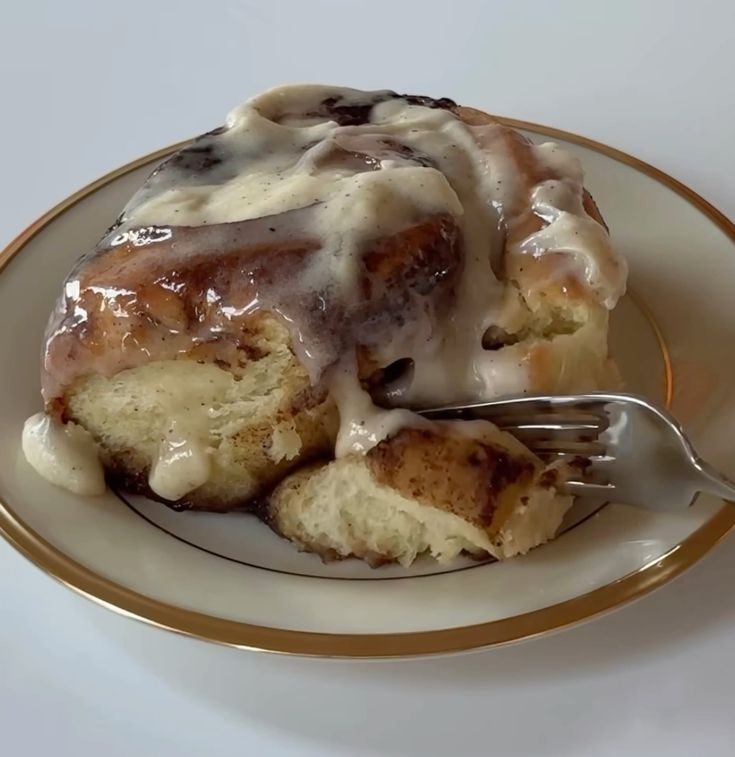
    There’s something about baking that instantly shifts the mood. The smell, the warmth, the ritual of it all. For me, it’s cinnamon rolls, gluten-free lol. I love going to the mall and buying them during this time of year, because it feels fun and festive, and because nothing says December like cinnamon and sugar.

    Even if baking isn’t your thing, maybe buy something at your favourite store that tastes good and reminds you of the festive season. The idea is to make things feel more intentional.

    2. Decorate the tree.

    Decorating the tree is one of my favourite festive rituals, not because it needs to be perfect, but because it marks the start of the season. I put on Christmas music, take my time, and let it feel like a moment instead of a task.

    Whether your tree is full, minimal, or slightly chaotic, it’s yours. That’s the point. Let decorating be a ritual you enjoy, not something you rush through to check off a list.

    3. Watch Christmas movies you actually love.

    This is non-negotiable for me. From the start of December, Christmas movies are officially allowed, and yes, The Grinch is my all-time favourite. Watching familiar movies brings comfort, nostalgia, and a sense of rhythm to the season.

    It doesn’t have to be every night. One movie a week, a cozy blanket, and a quiet evening can be enough to make December feel special.

    4. Listen to music that sets the mood.

    Christmas music has a way of instantly changing the energy of a space. I love having it on in the background while cooking, cleaning, or winding down in the evenings. It’s subtle, but it makes everyday moments feel festive without trying too hard.

    You don’t need a full playlist on repeat, just a few songs that make you feel warm, nostalgic, or calm.

    5. Buy the ugly Christmas sweater.

    There’s something freeing about leaning into festive silliness. Buying yourself that “ugly” Christmas sweater, the one you wouldn’t normally wear, can actually be an act of joy. It’s playful, lighthearted, and a reminder that not everything needs to be serious or aesthetic.

    Sometimes, festive cheer comes from letting yourself have fun without overthinking it.

    6. Create a slower evening ritual.

    One of my favorite ways to add festive cheer is simply slowing down more in the evenings. Lighting a candle, watching the sunset, or sitting with a warm drink instead of a laptop. December feels better when you allow it to be softer.

    Slowing down isn’t lazy, it’s seasonal. And honouring that shift can make the holidays feel more meaningful.

    Festive cheer doesn’t come from doing more, it comes from being more present. Whether it’s baking, decorating, watching movies, listening to music, or embracing a little festive chaos, the magic lives in the moments you choose to enjoy.

    Let this season be cozy, intentional, and yours.

  • Wellness Trends Worth Keeping.

    Wellness Trends Worth Keeping.

    Wellness trends come and go fast. One minute it’s ice baths at 5am, the next it’s drinking chlorophyll water like it’s a personality trait. And while some trends are more about aesthetics than impact, there are a few that genuinely improve your life when done simply and consistently.

    Here are four wellness trends that actually work, no extremes, no pressure, just habits that support your body and mind in real life.

    1. Walking as a form of fitness.

    This one’s having a quiet comeback, and for good reason. Walking isn’t flashy, but it’s incredibly effective. It supports digestion, reduces stress, improves mood, and is one of the most sustainable forms of movement out there.

    You don’t need a step goal or a fancy playlist. A short walk after meals, a sunset walk to unwind, or even a few minutes outside during the day can make a noticeable difference. It’s low impact, low pressure, and easy to stick to, which is why it works.

    2. Blood sugar–friendly eating (without the obsession).

    This trend isn’t about restriction, it’s about balance. Eating meals that include protein, healthy fats, and fiber helps stabilize blood sugar, which can reduce energy crashes, cravings, and mood swings.

    It’s not about cutting carbs or following rigid rules. It’s about simple shifts: adding protein to breakfast, pairing fruit with fats, and not skipping meals. When your blood sugar is more stable, everything feels easier, from energy levels to focus.

    3. Prioritizing sleep like it’s non-negotiable.

    Sleep has officially become a wellness flex, and honestly, it deserves the hype. Getting enough rest impacts everything: hormones, skin, digestion, mood, and even how you manage stress.

    This trend isn’t about having a perfect night routine. It’s about respecting your need for rest. Going to bed a little earlier, winding down without screens, and protecting your evenings can be life-changing over time. Better sleep is one of the fastest ways to feel better, physically and mentally.

    4. Nervous system regulation.

    This is one of the most talked-about wellness trends right now, and it’s actually useful. Nervous system regulation is about helping your body shift out of constant stress mode and into a calmer state.

    Simple practices like deep breathing, slowing down your evenings, gentle movement, time outdoors, or limiting overstimulation can help regulate stress. When your nervous system feels supported, everything else, digestion, focus, emotions, tends to follow.

    The best wellness trends aren’t extreme, expensive, or all-consuming. They’re simple, sustainable, and adaptable to real life.

    If a trend helps you feel calmer, more energized, and more connected to yourself, it’s worth keeping. Everything else? Optional.

  • 4 Realistic Habits to Improve Your Life in 2026.

    4 Realistic Habits to Improve Your Life in 2026.

    Every year, we’re told that this will be the year everything changes, new routines, new mindset, new life. And while growth is great, the pressure to overhaul everything usually leaves us overwhelmed by February.

    Instead of chasing perfection in 2026, I’m focusing on habits that are simple, sustainable, and actually improve daily life. Not the flashy, all-or-nothing routines, just small shifts that compound over time. Here are four realistic habits that can genuinely make your life feel better next year.

    1. Start your day without immediately reaching for your phone.

    This one sounds small, but it’s powerful. The moment we wake up and scroll, we invite comparison, urgency, and noise into our day before we’ve even checked in with ourselves.

    In 2026, try creating a short buffer between waking up and going online. That might look like making your bed, stepping outside for fresh air, stretching, or journaling for five minutes. You don’t need a full morning routine, just a moment that’s yours.

    That pause sets a calmer tone for the rest of the day and helps you move with intention instead of reacting to everything around you.

    2. Build one non-negotiable daily ritual.

    Not a 10-step wellness routine. Just one habit you return to daily, no matter how busy life gets.

    For some people, that’s a walk at sunset. For others, it’s making a proper breakfast, journaling before bed, or a short movement session. The goal isn’t productivity, it’s consistency and grounding.

    When life feels chaotic, these small rituals act like anchors. They remind you that no matter what’s happening, you’re still taking care of yourself in a way that feels aligned.

    3. Get honest about what drains you.

    Improving your life isn’t only about adding better habits, it’s also about removing what quietly exhausts you.

    In 2026, pay attention to what consistently leaves you feeling depleted. Certain social plans? Endless scrolling? Overcommitting? Conversations that feel heavy?

    You don’t need to cut everything out overnight. Start by noticing patterns and setting gentler boundaries. Saying no more often, protecting your evenings, and choosing rest without guilt can create more change than any productivity hack.

    4. Measure progress by how you feel, not how much you do.

    We’ve been taught to measure success by output: how busy we are, how much we achieve, how productive we look. But in reality, the most meaningful growth often shows up as peace, clarity, and emotional stability.

    In 2026, try asking different questions:

    • Do I feel more grounded than I did last year?
    • Am I less reactive?
    • Do my days feel more intentional?

    When you shift the metric from “doing more” to “feeling better,” you create space for sustainable growth, the kind that actually lasts.

    You don’t need a perfect routine or a dramatic transformation to improve your life in 2026. Real change comes from small, realistic habits practiced consistently.

    Less pressure. More intention. And a version of self-improvement that supports your life instead of taking over it.

  • The power of cold water therapy. Does it help?

    The power of cold water therapy. Does it help?

    I’m just going to say it, cold water therapy is weirdly life-changing. I remember the first time I dunked my face into icy water or took a cold shower; I thought, “Who actually enjoys this?” Spoiler: nobody. It’s shocking, uncomfortable, and at first, honestly kind of miserable. Actually, that’s a lie, I lowkey enjoy swimming in an icy cold ocean (for some reason).

    But here’s the thing: that initial shock is exactly why it works. Cold water therapy, whether it’s a cold shower, a quick plunge in a pool, or even splashing your face with ice-cold water, triggers your body’s nervous system in ways that can actually help your mental health.

    1. Reduces Stress and Anxiety.
      Cold water activates the sympathetic nervous system, which is basically your body’s “fight or flight” mode. The controlled stress of cold exposure can help train your body to handle anxiety better, lowering overall stress levels over time.
    2. Boosts Mood.
      When your body reacts to the cold, it releases endorphins, the feel-good chemicals that give you a natural high. This can improve mood, reduce feelings of depression, and leave you feeling oddly energized and alive.
    3. Improves Circulation & Alertness.
      Cold water forces your blood to circulate more efficiently. That extra circulation can wake you up, clear your head, and help you feel more present, which is especially helpful if anxiety makes your thoughts spiral.
    4. Builds Mental Resilience.
      It’s not just about the body, it’s about proving to yourself that you can handle discomfort. That mental discipline can translate to handling life’s unpredictable stressors with a bit more calm.

    Look, I’m not going to lie: it’s uncomfortable. Sometimes it’s brutal. But the payoff is real. Even 30 seconds under a cold shower or a splash of icy water on your face can make you feel alert, grounded, and oddly proud of yourself. It’s a small, simple tool for managing stress and anxiety that costs nothing, other than a little courage.

    If you’re anxious, stressed, or just curious, start small. A cold splash in the morning or a quick icy shower can be a total reset for your mind. And if nothing else, it’s a reminder that discomfort doesn’t have to be scary, sometimes it’s exactly what we need.