
Tag: mindfulness

  • Why boredom is a good thing.

    Why boredom is a good thing.

    We live in a world where boredom is treated like a red flag.
    If you’re not busy, stimulated, or doing something, you must be behind. Lazy. Unmotivated.
    But… what if boredom is actually where the magic lives?

    I’ve been thinking about this a lot lately, how I used to feel guilty for “wasting time.”
    Like I had to fill every quiet moment with a podcast, a scroll, a to-do list.
    But some of my best creative ideas?
    Came when I was… bored.

    Like really bored.
    Like staring-at-the-wall, lying-on-the-floor, walking-without-headphones kind of bored.

    Boredom makes space for your brain to wander

    Creativity doesn’t show up when you’re multitasking or rushing or consuming 37 pieces of content in an hour.
    It shows up when your brain finally has space to breathe.

    Boredom is where the weird, wonderful, and unexpected ideas start to rise to the surface.
    That sentence you’ve been trying to write.
    That idea for a brand.
    That random thought that turns into your next favourite project.

    When you’re bored, your brain gets playful again.
    It starts to connect dots. Imagine things. Feel curious.

    Boredom gives you access to your actual thoughts

    Not the ones shaped by algorithms.
    Not the ones you’re consuming from other people’s opinions.
    Your thoughts.

    When was the last time you just… sat with them?
    No music. No tabs open. Just space.

    It’s uncomfortable at first, but after a while, it’s freeing.
    Because boredom is a detox.
    It clears the noise so you can actually hear yourself again.

    Boredom reminds you why you started creating in the first place

    Remember when you were younger and you made up stories or doodled or rearranged your room just because you were bored?
    That version of you didn’t need permission.
    She didn’t need a five-year plan or a productivity hack.
    She just followed the spark.

    Let’s bring her back.

    You don’t need to fill every quiet moment.
    In fact, those moments might be the ones that save you.

    Let yourself get bored.
    Let yourself daydream.
    Let your brain stretch out on the couch and get weird again.

    That’s where the real creativity lives.
    Not in the hustle. Not in the noise.
    But in the stillness you’ve been taught to avoid.

    Give your mind a minute.
    It might surprise you.
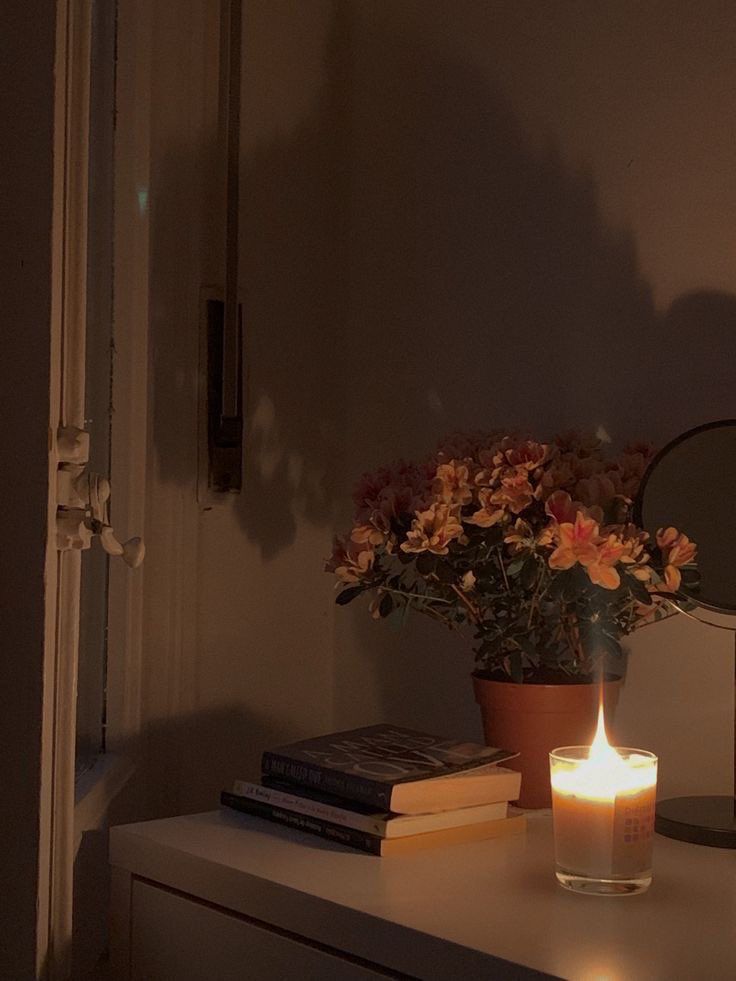
  • How to slow down before bed?

    How to slow down before bed?

    Let’s be real, we’ve all heard the basics:
    No screens before bed.
    Try chamomile tea.
    Do a calming meditation.
    Cool cool cool… but what if you’ve done all that and your brain is still hosting a late-night thought spiral with a guest list of every awkward thing you’ve ever said?

    Same.

    Lately, I’ve been trying two less obvious but really powerful ways to actually unwind at night, and they’ve been helping me slow down, breathe deeper, and feel like I’m easing into sleep instead of crash-landing into it.

    Let’s get into it:

    1. Narrate your night like a main character

    I know it sounds a little weird. But just try it.
    Instead of rushing through your night on autopilot, narrate it in your head like you’re in a film.

    “She walks to the kitchen barefoot, sipping her almond milk matcha. The window’s open. The world is quiet. She’s winding down.”
    Or:
    “She lets the day fall off her shoulders like an old coat. She’s done enough. She is enough.”

    It sounds silly, but it works. It pulls you into the present. It slows your pace.
    It turns the little things, washing your face, brushing your teeth, lighting a candle, into a ritual. A vibe. A soft reset.

    2. Create a 10-minute “unwind playlist” and listen with your eyes closed

    Not a podcast. Not a guided meditation. Not your usual music app scroll.
    Just a 10-minute playlist of songs that make you feel safe. Slow. Soft.
    Instrumentals, nostalgic tracks, even lo-fi. No lyrics, no screens, no pressure to “do” anything.

    Just press play. Lie on your bed or sit on the floor.
    Close your eyes. Let your nervous system catch up with your body.
    Sometimes slowing down isn’t about doing less, it’s about letting go a little earlier.

    You don’t need a perfect bedtime routine to rest well.
    You just need a moment where your brain and body agree:
    “Okay. We’re safe now. We’re done for today.”

    Try romanticizing your night a little more.
    Try music that soothes instead of stimulates.
    And most importantly, try being gentle with yourself. That’s where the real rest begins.

  • How to quiet the negative thoughts.

    How to quiet the negative thoughts.

    How are you approaching this week, calm and grounded, or already spiraling over something random that happened three days ago?
    Same.

    Here’s the truth: our brains love to overthink.
    Especially if you’re creative, sensitive, or tend to feel things deeply.
    You might find yourself overanalyzing everything, from the way you replied to that text, to the tone of your voice on a Zoom call.
    And before you know it, you’re stuck in a loop of “what ifs” and “should haves” that leave you feeling exhausted and disconnected from yourself.

    So how do we stop the spiral?
    Here are 3 surprisingly simple ways I’ve learned to quiet negative thinking, without needing a 10-step routine or a personality transplant.

    1. Name it, don’t nurture it

    The next time a harsh thought shows up, don’t argue with it. Don’t feed it. Just name it.

    “That’s anxiety.”
    “That’s insecurity.”
    “That’s my inner critic trying to keep me small.”

    By labeling the thought, you separate yourself from it. You remind your brain:
    “This isn’t truth. This is just a thought.”
    And that tiny shift in awareness? It changes everything.

    2. Interrupt the pattern

    Sometimes your brain just needs a pattern break. A full-on “we’re not doing this right now” moment.
    When I catch myself spiraling, I do something, anything—to interrupt it.

    A walk. A cold glass of water. A playlist switch. A quick call to my someone who gets it.
    Even something as small as stepping outside barefoot for 30 seconds.

    You don’t always need deep healing.
    Sometimes you just need to change the channel.

    3. Talk to yourself like someone you love

    I used to think being hard on myself made me productive.
    That if I could just “tough love” my way out of a funk, I’d feel better faster.
    Spoiler: it doesn’t work like that.

    The real shift happened when I started speaking to myself the way I speak to people I love.
    Not with fake affirmations or cheesy mantras, but with patience, softness, and understanding.

    You can be growing and still be kind to yourself.
    You can be working on things and still treat yourself like a human being.

    Negative thoughts are going to come and go. That’s part of being human.
    But we don’t have to let them define us.
    You have the power to pause. To question. To choose a softer story.

    This week, if your mind starts spiraling, try naming the thought, breaking the loop, and showing yourself a little grace.

    You don’t have to fix everything.
    Just start with how you speak to yourself.

  • How I’m actually getting sh*t done.

    How I’m actually getting sh*t done.

    I don’t know about you, but I’ve had a love-hate relationship with productivity for years. On one hand, I want to feel like I’m moving toward something, like I’m actually making progress on the million goals floating around in my head. But on the other hand… I also want to lie on the floor and scroll Pinterest in peace.

    Here’s the thing no one really talks about: staying motivated is hard when you’re overwhelmed. And trying to do everything is the fastest way to end up doing absolutely nothing.

    So lately, I’ve been testing out a new approach. I stripped everything back and asked myself: How do I make this feel doable, not terrifying?

    Here are the 2 things that have actually helped me get things done (without the burnout spiral):

    1. The “one thing a day” rule

    Forget the mile-long to-do list. These days, I pick one thing each day that moves me closer to a goal. Just one.

    Some days it’s sending that email I’ve been avoiding. Other days it’s writing half a blog post, or even just brainstorming for 20 minutes. The key is making it so doable that my brain doesn’t automatically resist.

    It might not sound like much, but here’s the magic: one thing a day adds up fast. You build momentum without overwhelming yourself, and you don’t feel like a failure when you can’t tick off 12 tasks in 3 hours.

    2. I romanticize the boring stuff

    No one talks about how boring consistency can be. Showing up every day? Doing the same small tasks over and over? Snoozefest.

    So I romanticize it. I light a candle. I put on a playlist that makes me feel like the main character in a movie where I get my life together. I make my workspace cute. I reward myself for showing up, even if I just crossed off one thing.

    It sounds silly, but tricking your brain into enjoying the process makes a huge difference. You stop chasing motivation and start leaning into rhythm.

    So if you’re feeling stuck, scattered, or straight-up exhausted by your to-do list, let this be your reminder: You don’t have to do it all at once. You just have to start, in a way that works for you.

    Small wins count. Slow progress is still progress. And getting sh*t done doesn’t have to mean sacrificing your peace.

    You’ve got this (and if you don’t today, there’s always tomorrow).

  • Midweek mayhem? 3 ways to calm your mind when you’re stressed out.

    Midweek mayhem? 3 ways to calm your mind when you’re stressed out.

    Let’s be honest, Tuesdays can feel like a weird emotional limbo. You’re too far from the weekend to relax, but deep in the thick of to-do lists, deadlines, and random life chaos (why does the fridge only break midweek?). And suddenly, you’re overstimulated, overtired, and over everything.

    Here are 3 realistic ways to calm your mind when the midweek stress hits hard, no 10-day retreats or perfect morning routines required.

    1. Take a “nothing break” (yes, literally do nothing)

    When your brain feels fried, stop trying to fix it by doing more.

    Set a timer for 10 minutes and let yourself just be. No phone. No multitasking. No productivity hacks. Just sit, lay down, look out the window, whatever feels like stillness. This helps regulate your nervous system and gives your mind space to decompress.

    Doing nothing might feel weird at first, but your brain? It’ll thank you for the reset.

    2. Do a 3-item brain dump

    Overthinking? Overwhelmed? Welcome to the club.

    Grab a piece of paper (or your Notes app) and list three things that are bothering you. Just three. Get them out of your head and into the real world where they feel less chaotic.

    Then, ask yourself: Is there something I can do about any of these today? If yes, do it. If no, let it go, for now. The act of naming your stress helps diffuse its power over you.

    3. Move your body (but keep it simple)

    You don’t need a full workout to shift your energy.

    Whether it’s a 15-minute walk, a few stretches in your living room, or dancing to your favorite throwback song, move. It reconnects you to your body, grounds your thoughts, and helps release stress physically.

    Pro tip: movement + music = double dose of midweek magic. Throw on some Charli XCX or Blink-182 and get out of your head.

    Midweek stress is real, but so is your power to calm it.
    You don’t need a perfect plan. Just a moment. A breath. A pause. And the reminder that it’s okay to slow down so you can keep going.

    You’ve got this. The weekend will wait.

  • 3 yoga moves that actually help you sleep better.

    3 yoga moves that actually help you sleep better.

    In the last year, I’ve really gotten into my yoga practice, not in the “perfect poses and Pinterest board aesthetics” way, but in the wow-my-nervous-system-needed-this kind of way. Yoga has helped me mentally more than I expected. Especially at night, when my brain insists on running a marathon of overthinking right before bed.

    If you’re someone who struggles to unwind (same), here are 3 yoga moves that have helped me slow down, breathe deeper, and actually sleep better:

    1. legs up the wall (viparita karani)
    Literally what it sounds like: lie on your back and put your legs straight up against the wall. That’s it.
    It helps regulate blood flow, calm your heart rate, and reduce swelling or tension in your feet and legs, especially after long days of standing or doom-scrolling. I do this for 5–10 minutes, breathing deeply, and it instantly puts my body in chill mode.

    Why it works: It activates the parasympathetic nervous system (aka: rest + digest), which helps signal to your brain that it’s safe to relax. Plus, you feel kind of weightless. It’s dreamy.

    2. child’s pose (balasana)
    This is my go-to for everything, stress, overwhelm, period cramps, you name it.
    Kneel down, fold forward, stretch your arms in front of you, and just melt into the mat. I like to rest my forehead on a pillow for extra comfort.

    Why it works: This pose gently stretches your lower back and hips, and the forward fold helps calm the mind. It literally signals your body to slow the hell down.

    3. reclining butterfly pose (supta baddha konasana)
    Lie down on your back, bring the soles of your feet together, and let your knees fall open like butterfly wings. You can place pillows under your knees if that feels better. Add a blanket, eye mask, or calming playlist for extra magic.

    Why it works: It opens your hips (where we store a lot of tension), and when combined with breathwork, it’s like giving your nervous system a warm hug.

    Yoga has become my gentle anchor. It’s not just about flexibility, it’s about quieting the chaos. These moves aren’t complicated, they don’t require anything fancy, and they work even when you feel off. So next time your mind won’t shut up at night, roll out the mat, light a candle, and let your body lead the way.

    Because rest is not a reward, it’s needed.

  • Hot girl breakfast club.

    Hot girl breakfast club.

    There’s something so powerful about a slow, intentional morning, especially when it starts with a good breakfast (we’re not talking dry cereal and vibes). I’ve been in my romanticize-your-life era lately, and honestly? Turning your morning into a whole experience isn’t just cute, it’s game-changing.

    Whether it’s a smoothie in a mason jar, avo toast with chili flakes, or just sitting with your coffee without doom-scrolling… a good morning routine can actually set the tone for your whole day. And yes, breakfast plays a major role.

    Here are 3 solid reasons to start romanticizing your mornings (and feeding your body like you love her):

    1. It literally boosts your mood

    Eating a real breakfast in the morning gives your brain the fuel it needs to function. You’re less likely to feel foggy, anxious, or irritable by 11am if you’ve had something nourishing first thing. Think of breakfast like an emotional support snack, it’s there to keep you grounded and focused.

    2. It helps you feel more in control

    When you take the time to sit down and eat (even if it’s just for 10 minutes), you’re showing yourself that you’re worth the effort. That you matter. That your needs are valid. Suddenly your day doesn’t feel like it’s controlling you, you feel like you’re steering the ship.

    3. It turns the ordinary into something special

    Romanticizing your routine isn’t about being unrealistic, it’s about finding joy in the small stuff. Lighting a scented candle while you cook eggs. Playing your favorite playlist while making oats. Drinking your smoothie on the balcony like you’re in a movie. These moments add up, and they remind you that life doesn’t have to be chaotic to be meaningful.

    So yes, breakfast matters. And so does taking your time in the morning. You don’t have to wake up at 5am or have a Pinterest-perfect routine, just give yourself a little time, a little love, and a little food. Because you deserve to feel nourished, calm, and like the main character… even on a Tuesday.

  • Make your mind a happy place to be.

    Make your mind a happy place to be.

    You spend your whole life living inside your head, it might as well be a good place to hang out.

    Lately, I’ve been thinking a lot about this. About how important it is to not just survive in your own mind, but actually enjoy being there. To feel safe, light, encouraged, even when things outside of you feel messy, uncertain, or downright chaotic.

    Because no matter where you go, what you achieve, you’re the only one who has to live with your thoughts 24/7. Might as well make it a cozy place to be, right?

    For me, that’s looked like learning to be kinder to myself. Less judgmental. Less of a negative critic and more of a best friend. It’s realizing that beating myself up for not being “perfect” doesn’t actually get me anywhere faster, it just makes the journey heavier.

    It’s about celebrating the small wins instead of rushing past them. Talking to myself like someone I actually like. Giving myself permission to mess up, start over, pivot, or simply rest without drowning in guilt.

    It’s realizing that peace isn’t found in ticking every box or chasing every shiny thing, it’s built in the tiny, invisible choices I make every single day:

    • The way I talk to myself after a bad day.
    • The way I let myself dream without immediately questioning if I’m “good enough.”
    • The way I forgive myself when I fall short.
    • The way I choose to believe that good things are still ahead.

    And sometimes? Making your mind a happier place means stepping outside of it for a bit.
    Getting out into the fresh air.
    Feeling the sun on your face.
    Taking a walk, breathing deep, moving your body, letting nature remind you that life is bigger (and more beautiful) than whatever spiral you’re stuck in.

    Journaling helps too (trust me), getting those messy, chaotic thoughts out of your head and onto paper where they don’t feel so heavy. Sometimes when you see it all written down, it’s easier to breathe through it. Easier to remind yourself that you’re not your worst day or your scariest thought.

    Making your mind a happy place doesn’t mean you’ll never have bad days. It just means you build a foundation strong enough to weather the storms without losing yourself.

    It’s realizing you deserve a mind that feels like home.
    And honestly? It changes everything.

    Because when your mind is a good place to be, the outside world gets a little less scary. You trust yourself more. You dream bigger. You move forward, even when it’s hard.

    At the end of the day, life gets a whole lot better when you like the person you’re living it with.

    And that person is you. Period.

  • 4 ways to actually enjoy your weekend.

    4 ways to actually enjoy your weekend.

    Let’s be real: Some weeks feel like they’ve lasted 84 years. You’ve been in meetings, running errands, answering texts you didn’t have the energy for, and just doing the most. And by Friday? You’re a shell of a person who just wants snacks and silence.

    So, here’s your little reminder that the weekend isn’t just a time to catch up on laundry or stress about Monday, it’s also your time to feel like a human again.
    Here are 4 ways to help you do just that:

    1. Romanticize the hell out of your morning.

    Slow mornings are the ultimate act of rebellion in a world that loves urgency.
    Sleep in a bit. Light a scented candle. Put on some Addison Rae. Make your favorite breakfast. Drink your coffee slowly, like you’re in a film set in Italy.
    Put on a playlist that makes you feel like the main character and pretend you don’t have a single worry in the world, just for an hour or two.

    2. Do something fun with zero productivity attached.

    You don’t need to “earn” rest or joy. Pick something that makes you happy and do it just because.
    A cute farmer’s market stroll. A spontaneous drive. An art class. A Pilates session you barely get through but feel cute doing anyway.
    The goal is to do something that feels like you, not just something that looks good on your calendar.

    3. Disconnect to reconnect.

    Yes, I’m talking about a little break from your phone (even if it’s just for a few hours).
    Put it on Do Not Disturb. Go outside. Be with the people you love, or be alone with your thoughts (they’re not always as scary as we think).
    Go touch some grass, take a walk, breathe in the air like it’s your first time on Earth. Nature really is free therapy.

    4. Check in with yourself, gently.

    Use part of your weekend to ask yourself how you’re really doing.
    Not in a pressure-filled, “let’s fix everything” way, just a little mental check-in. Journaling, reading, reflecting, maybe even planning your week softly if that helps calm your brain.
    Give yourself space to feel whatever you need to feel, and remind yourself that you’re doing your best. Because you are.

    You don’t need a 3-day vacation to reset.
    Sometimes, all it takes is a weekend filled with intention, the kind where you take your power back, even in small ways.
    So go ahead: do less, laugh more, and don’t check your emails unless the building’s on fire.

    You deserve peace. And a pastry. Preferably both.

  • Maybe slowing down isn’t what I actually want.

    Maybe slowing down isn’t what I actually want.

    An honest take on productivity, purpose, and why staying busy might just be your kind of peace.

    I used to think the goal was a quiet life.
    Slow mornings. Simple pleasures. Peaceful days that stretch out like soft sunlight on the floor.
    And honestly? That still sounds beautiful.

    There’s something deeply romantic about living gently, taking time to appreciate the little things, drinking your coffee slowly, reading books in the afternoon, and going on long walks with no rush to be anywhere. And I think it’s important to have those moments. To know how to rest. To let yourself rest.

    But I’ve also come to a conclusion lately, which is, of course, subject to change because I’m human, but I don’t think that kind of slowness is what I truly want all the time.

    Because I know myself. And the truth is… I like being busy.
    I need to be building something. Doing something. Pouring myself into work or a project or an idea I care about.
    Being productive doesn’t drain me, it energizes me. It clears my mind. It gives me purpose.

    When I’m working on something I love, or even just having a full, busy day, I feel good.
    I feel like me.
    I’m not stuck overthinking or getting caught in a spiral about the past or what could’ve been.
    I’m moving forward. I’m in motion. And there’s something healing about that.

    I think we sometimes forget that being “busy” doesn’t have to be a bad thing.
    Sure, if you’re running on 5 cups of coffee 24/7 and never giving yourself a break, that’s a different story. But when you’re doing things that light you up? That challenge you? That make you feel capable and fulfilled? That’s not burnout, that’s fuel.

    Work, in the right context, keeps you young.
    It gives you something to wake up for. Something to grow towards.

    And of course, there are days when everything feels like too much. When the world is loud and heavy and you just want to rot on the couch with your comfort show and a snack, and that’s more than okay. We need those days too.
    But I don’t think I’m meant to live my life in slow motion. I think I’m meant to build.
    To do.
    To create.

    And maybe that’s your kind of peace too.

    So if you’ve been feeling guilty for loving the hustle, or if the idea of a “soft life” doesn’t totally resonate with you, you’re not broken.
    You’re probably just someone who finds calm in the chaos, clarity in the momentum.

    Keep showing up. Keep creating. Keep working on what makes you happy.
    Because that’s a life worth living, too.